
Case Study
F1 + Vision Pro
Viral concept to killer app: the story of the north-star for spatial computing
How a viral concept became an incredible product (YouTube)
The Moment
At the beginning of 2024, just as Apple Vision Pro launched, it felt like mainstream technology had finally taken a meaningful step toward science fiction. And yet the earliest experiences seemed to use this $3,500 hallucination machine to view as many rounded rectangles as you like.
BlackBox founder John LePore wanted to answer a different question: what would a killer app for spatial computing actually look like?
A 'Cinematic Prototype' of the experinece
The Concept
The ultimate view of the most technologically advanced sport. Equal parts Iron Man, Hot Wheels, and Google Maps. Deeply futuristic, but also obvious, natural, and a genuine improvement to the traditional broadcast experience.
And never science fiction. The concept was built on three real-world constraints: three-dimensional geographic data already existed. F1 already generated extraordinarily rich real-time telemetry. And fans genuinely struggle to understand a four-mile circuit through a single television frame. Not a flashy concept — a real problem, solved. That pathway to plausibility was everything.

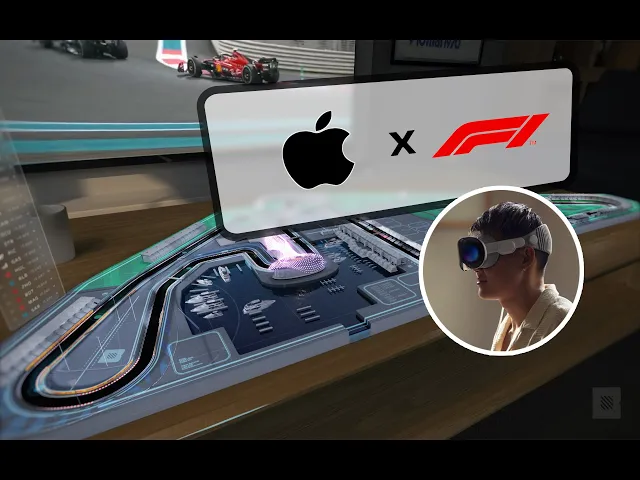
The original viral video that started everything

Viral across tech, motorsports, and design.
The prototype — built with visual effects and animation techniques, published as a video essay — went supernova. Eighty million views across social platforms. MKBHD called it the future of immersive experiences. And the reaction that mattered most: people kept saying it reminded them of something they’d imagined as kids. A powerful signal: spatial computing could feel both futuristic and deeply familiar.

The World Builds Back
Then something better than virality: developers around the world began building working versions of the concept — almost as if auditioning to make it real.
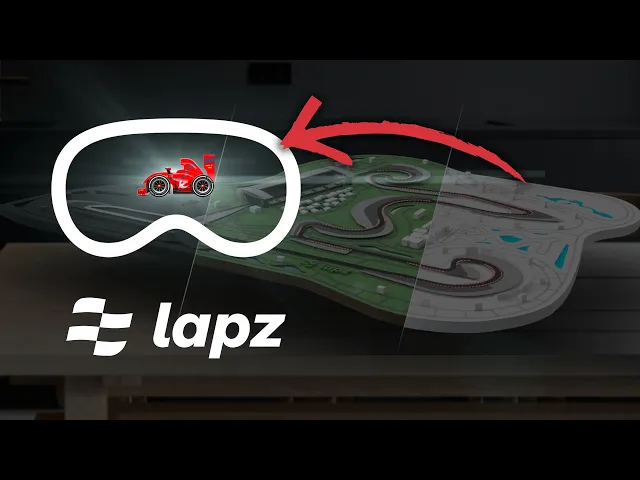
One build stood out. Lapz, created by a small team of world-class engineers, was so faithful to the original vision that a partnership was inevitable. Today John LePore serves as co-CEO of Lapz (alongside Simon Rico), shaping the product’s roadmap and continued development.
Lapz is not a prototype. It’s not an MVP. It is a complete, exceptionally polished product, currently in private beta — the experience Forbes called “the best reason to own a Vision Pro.”
In-headset capture of Lapz on Apple Vision Pro
A model: The ‘Halo Project’
This experience is the tentpole example of a principle at the core of BlackBox’s practice: no one knows what future to ask for — it has to be shown to them.
Digital product design is a mature discipline, rich with proven processes and best practices. But today, technology is surpassing every existing reference point. BlackBox works with leaders, brands, and organizations who need a Halo Project of their own — visual and emotional proof of what’s possible, and a living blueprint for where to go next.
A feature in-development: if you want to know if weather will impact the race, why not just look up to the sky?
The Open Door
This experience has become a platform for live spatial experiences, wherever geography, real-time data, and physical context converge — a thesis already carried into BlackBox’s broadcast work with IndyCar, and expanding into new verticals. Leagues, teams, venues, broadcasters, sponsors: the platform is built. The instances are waiting.
The Inevitable
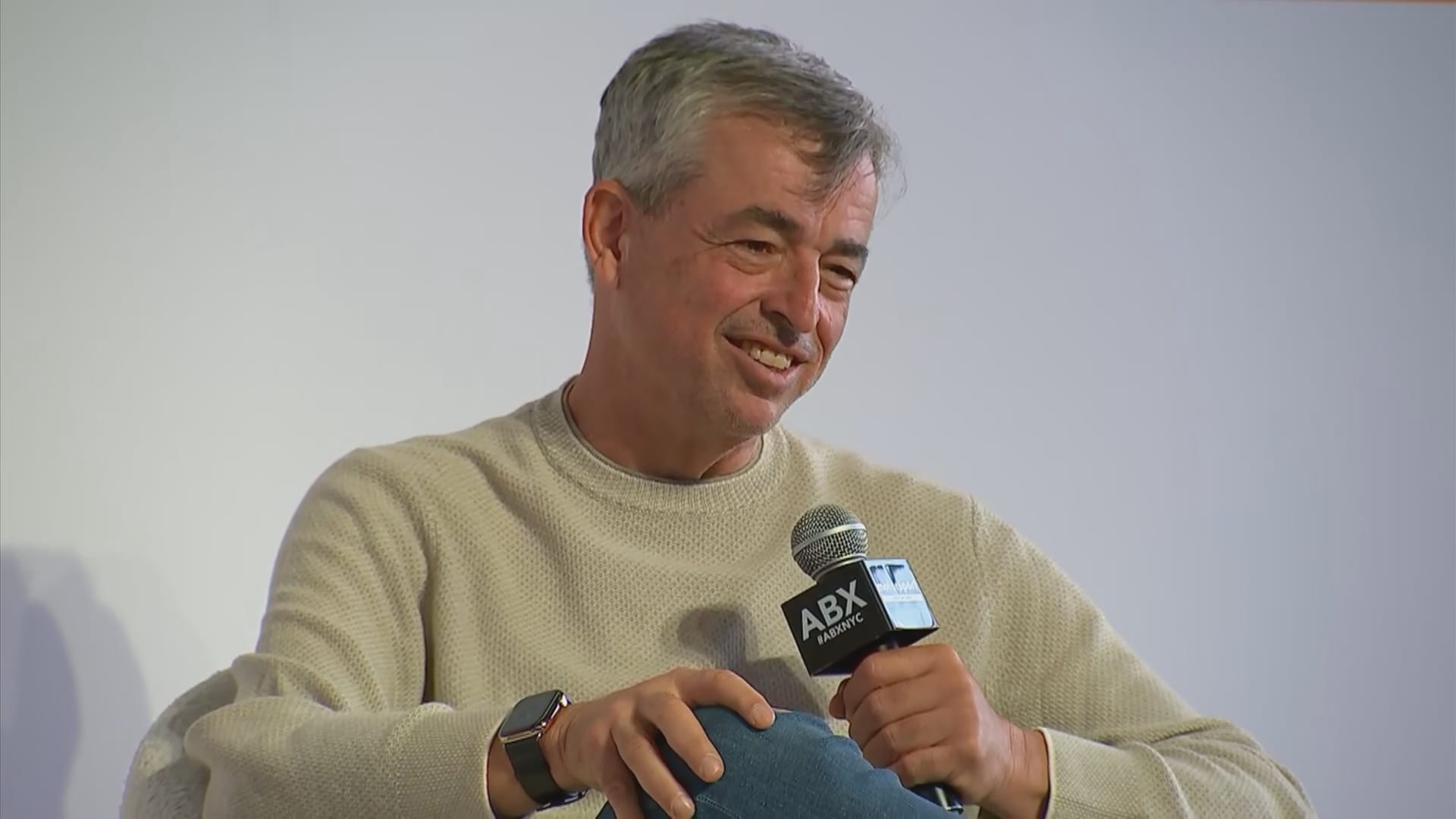
More than two years on, the concept keeps being referenced — in press, in product roadmaps, in the way people talk about what spatial computing is for. Asked on CNBC about sports on Vision Pro, Apple’s Eddy Cue pointed to it unprompted.
The best visions of the future aren’t memorable because they’re flashy. They’re memorable because, once experienced, they feel surprisingly simple, obvious, and inevitable.
Nobody knows what the future looks like until it’s put right in front of them.
Credits
Original Concept +
Cinematic Prototype
John LePore
Additional Support:
Sanu Sagar
Lapz:
Motorsports for Vision Pro
Co-Founder/Co-CEO: Simon Rico
Co-Founder/Co-CEO: John LePore
Co-Founder/Front-End Dev: Jan Blaze
Co-Founder/3D Design: Jaroslav Matas
Co-Founder/Back-End Dev: Martin Civian
Additional Design: Vlad Lysenco
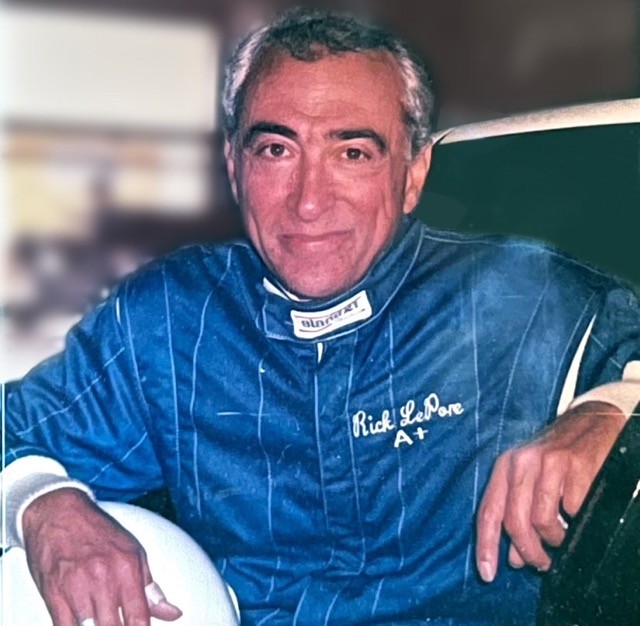
This original concept is dedicated
to the memory of Rick LePore.
Racing Instructor.
Formula 1 fan.
Uncle Ricky.